
Why Every Independent Singer Needs a Music Label to Grow
The music industry has become more competitive than ever, with thousands of artists attempting to make a name for themselves. Even though indie artists have the freedom of streaming and social media today, there are still big hurdles to overcome in attaining success. A music label can offer the support necessary to elevate an artist’s career. One of the reliable names in the industry, Maa Records, is committed to helping independent artists. From professional recording to career building, Maa Records enables singers with raw talent to benefit from proper guidance and opportunities. On this blog, we will explore why every independent artist needs a music label to grow and how Maa Records can be the right partner in this journey. Professional Recording and Production One of the biggest challenges independent artists have is access to quality recording studios. A professional music label can offer all-around recording with good recording facilities, sound engineers, and music producers to improve the artist’s sound. At Maa Records, we have world-class recording studios with advanced technology. So, while ensuring maximum quality in the production of each track, our audio engineers surely help artists create music that stands out in a competitive marketplace. How It Helps: Helps cut very expensive self-funded recordings. Guarantees a polished, perfect sound. Saves time with expert producers and engineers. Marketing and Promotion Support Recording great music is just one phase in an artist’s career. Without proper follow-up promotion, even the best songs stand the chance to go unnoticed. Music labels have put together marketing teams who know how to create campaigns that capture the audience’s attention. Maa Records specializes in promoting artists on various platforms such as social media, YouTube, and streaming services; this is where we help our artists maximize outreach through strategic marketing, music video production, and digital campaigns. How It Helps: Increases visibility and fan engagement. Ensures music reaches the right audiences via digital promotions. Help artists grow their brand. 3. Music Project Financial Assistance Musicians are going to need money whether for recording, music video shoots, or promotion. The independent singer’s struggle to maintain their careers only slows their growth. Investment options: A music label like Maa Records also lends financial assistance to promising artists. We invest in talent and provide them with the means to put together high-quality music. How They Help: Covers recording, production, and marketing costs. Less financial stress allows artists to focus more on their art. Opens doors for projects considered high-budget. Industry Contacts and Collaborations Networking opportunities are essential to the music industry. Independent singers often find it difficult to meet important people—producers, established artists, and event organizers. Music labels can leverage their connections to influence opportunities. Maa Records actively promotes well-known artists, producers, and event organizers to facilitate collaborations of independent singers with industry professionals. It is this exposure that can make a real difference in the success of their careers. How They Help: Grants opportunities for collabos with established acts. Helps to get artists on bigger platforms. Opens opportunities for live gigs and festivals. 5. Artist Guidance and Career Development Raw talent alone cannot create a successful music career; an artist requires some guidance in every aspect, from song selection to branding and litigation. A record label must provide professional advice regarding an artist’s every career move. At Maa Records, we mentor artists for the development of their styles, song selection, and personal branding. We also help negotiate contracts and publishing rights, so artists can get the best deals. The Benefit: To strategically guide the artist toward sustained career success. To keep the artists away from industry pitfalls. Support in branding and image development. Major-Platform Distribution Getting one’s music on major platforms such as Spotify, Apple Music, and YouTube is the essence of getting a career started. But the independent artist will usually find distribution and playlist placements very challenging. The labels have connections with these platforms for larger distribution. Maa Records undertakes the distribution of our artists so that their music will reach a global audience. We also promote songs for placement in prominent playlists in order to secure streams and visibility. The Benefit: Ensure music on top streaming platforms. Increased chances of your song appearing on high-traffic playlists. Organized release strategy. 7. Branding and Image Development for Artists Artists can stand apart from others in the industry with a strong personal brand. Music labels provide many opportunities to put together an artist’s public image, incorporating everything from stage presence to social media branding. Maa Records works with the artist to build their own identity. This means helping with the physical visual and sound styles, to make sure that they strongly relate to their intended audience. How It Helps: Builds an identifiable, marketable brand. Creates strong engagement potential among fans as an online presence. Enhances live performance factors in conjunction with public images. Legal and Contractual Support The music industry is laden with these complexities, including legal angles of contract, royalties, and publishing rights. Independent singers may not be able to grasp the nitty-gritty completely and consequently may get into deals that may not be very favorable to them. Music labels help with the assurance of legal support to safeguard the artists’ interests. Maa Records provides transparent contracts and fair royalty distribution systems, as well as guidance regarding intellectual property rights. How It Helps: To ensure an artist gets fair compensation. As protection against exploitative contracts. Involved in copyright management and licensing agreements. 9. Prospects in Live Performances A live performance is an opportunity to win fandom. Okay, making it to the shows and concerts is rough for independent singers. Music labels have the contacts with organizers-thus benefiting the artist with a stage. Maa Records pursues all forms of live performance opportunities for its artists, ranging from club gigs to major events. We work to create live music experiences where artists
How Do You Prepare Your Voice for Studio Recording?

How Do You Prepare Your Voice for Studio Recording? Recording in a studio is an exciting experience but also a tough part for any singer. One would haul this entire tassel for a full-capped documentary into the recording studio. Within the four walls of a recording studio, it becomes quite possible to take a good shot at vocal performance; however, a lot goes into the preparation. Your voice is your instrument and as with other instruments, it requires care, warm-up, and technique to produce the best voice it can offer. This making-your-voice-studio-ready guideline will get you through every single step you need to follow to enter into a session of smooth professionalism while preparing your voice for studio recording. Keep Your Vocal Health Stay Hydrated One of the most important aspects of this aspect of voice preparation is maintaining moist vocal cords: at least eight to ten glasses of water should be drunk each day leading up to recording. Herbal teas sweetened with honey are recommended for a scratchy throat but avoid caffeinated beverages-abstain from caffeine as it dehydrates your body. Avoid Surroundings of Irritants There are those things that can unfortunately affect your voice negatively: Smoking and alcohol dries up the vocal cords. Caffeine and dairy create mucus, leading to difficulty in singing. Spicy foods cause acid reflux to irritate the throat. Avoid all these irritants for a minimum time of about 24 to 48 hours before the recording and ensure that the voice remains clear and smooth. 1 ) Rest is Crucial To optimize performance, the vocal cords need muscles and plenty of rest. Lack of sleep results in fatigue and places strain on the vocal cords. Ensure at least 7-9 hours of sleep on the eve of a recording session. In case it fits into the timetable, try not to talk much in the morning hours before the recording stream, thus conserving vocal strength for the studio. Warm-Up the Voice Breath Exercises The breath is a vital aspect of carrying any vocal performance which should remain strong and stable. Do a deep-breathing exercise to enliven the diaphragm: Inhale through the nose filling the stomach. Retain the breath for a couple of seconds. Exhale through pursed lips slowly. Repeat it for a few minutes to allow the muscles to relax while also enhancing the breath control throughout the actual singing. Vocal Warm-Ups A good warm-up for singers stretches the vocal cords before getting into vocal training. Here are some basic warm-up exercises: Lip trills: Pursed lips blown upon gently create a brrr sound that can help in breath control. Humming: Go from low to high notes to help activate your vocal range. Scales and sirens: Sing up and down the scales to increase flexibility. Perform a good warm-up routine that should take about 10-15 minutes before recording. Rehearsals Know Your Lyrics Ideal lyrics and melodies keep your focus on the performance instead of memorizing words. Keep running through until you are comfortable. Get into the Mood Every song carries emotion, and your ability to convey emotion sets you apart within performances. Analyze the lyrics and practice expressing them in an unforced manner. Sing Along with the Backing Track If a backing track is provided, be sure to rehearse with that in advance. Singing with the backing track will help ease the artist into a studio environment. Caring for Your Body Diets’ Effect Your fast is equally important as the rest in the area of vocal performance. Eat lightly on a day designated for recording, avoiding: Dairy products ( cheese and milk) — cause too much mucus. Spicy food- may lead to acid reflux. Cold refreshments tighten your vocal cords. Warm water, herbal tea, and light meals should be opted instead. Physical Relaxation Tension in necks, shoulders, and jaws can be felt in singing. Stretch or exercise light yoga before recording; this can relax the muscles and posture. Mental Readiness Relaxation Methods Anxiety plays a role in vocal adjustment. Thus, one can calm the mind by: Practicing meditation and deep breathing techniques that help with anxiety. Imagine going to be recording perfectly to boost confidence. An easy stretch for release. Avoid Over-Practicing Too much practice on the day of recording can actually damage your voice. Rather, save the performance for the session: during warm-up, you should keep it light and controlled. 6. It is said to be a little more relentless and technical. Studio Logistics Getting the feel of the studio If it is your first time coming into a studio, ensure that you arrive early and get familiar with the environment. Familiarize yourself with microphone placement and headphones, and also take note of the acoustics of the studio. Communicating With Your Sound Engineer It is advised to communicate all your wants with the sound engineer: Headphone mix-a mix that differs in balance from your voice to the backing track. Reverb and effects-some singers prefer just a touch of reverb in their sound. The better your relationship with the engineer, the more comfortable you will feel and the better you will perform. 7. The recording process Be Vigilant on Your Voice Signs that indicate vocal fatigue appear. Break up at small intervals cause the warm water sips. Record Multiple Takes Even the best make several takes before they attain ‘the’ best. You can do a few extra for the sake of it. Emotion-Focus, Clarity Technical perfection alone won’t get it done-emotion is important. Express your song properly, yet with good diction and tone. 8. Post Recording Care Cool Down Just as warming up is essential, cooling down helps in relaxing your vocal cords. Sob singing or soft humming could assist in soothing the vocal cords and possibly even soothing a voice distressed by overuse during the session. Rest Your Voice Avoid talking a lot, yelling, or singing immediately after recording. Let your voice rest to recuperate. Maa Records – To Help You Achieve Your Best Studio Recording At Maa Records, we know how much
Tips to Maintain Vocal Health for Singers
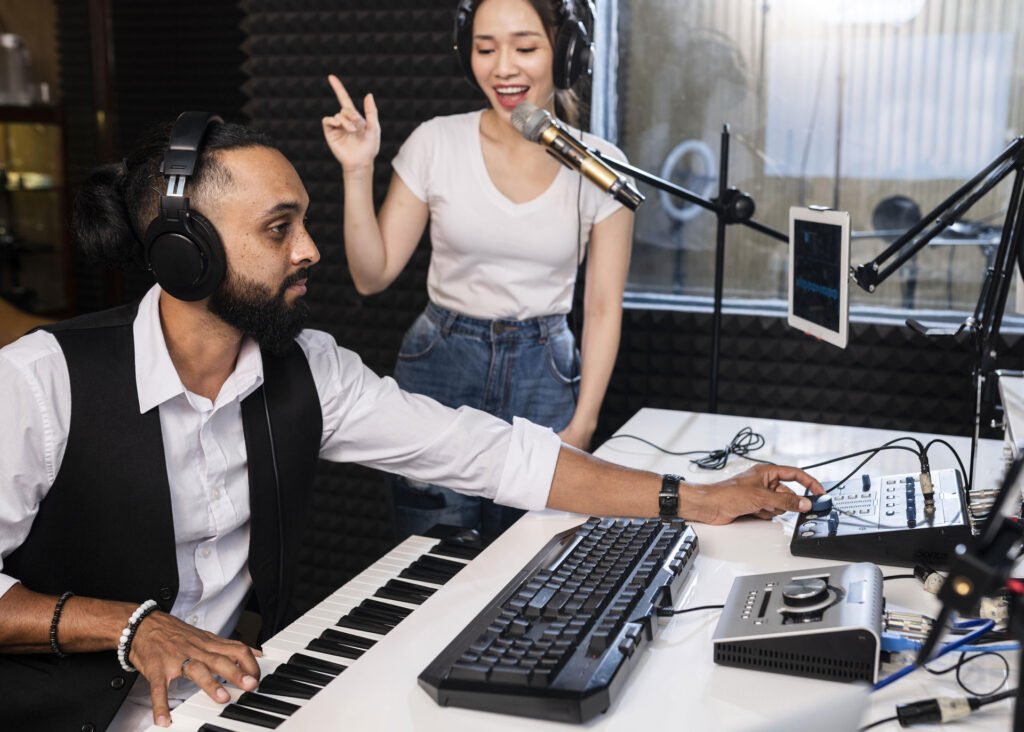
As a singer, your voice is your most prized possession. Unlike a guitar or a piano, which can be mended or substituted, your vocal cords require almost constant pampering to perform even near-their best. Conscientiousness regarding the care of the voice system aids in powerful performances, injury prevention, and longevity in the music profession. In this blog, we will give you the best tips for keeping that voice fit, ready, and willing for any performance. Keep Drinking- Stay Hydrated: The primary thing to remember is water for the sake of voice health. The vocal cords must remain lubricated in order to create sounds that are clear and smooth. When dehydrated, the vocal cords become irritated and are tense, which results in the voice sounding weak and raspy. Hydration Tips: Drink at least 8-10 glasses of water a day. Drink warm water and not cold, as warm water aids in keeping the vocal cords more relaxed. Do not drink too much caffeine or alcohol, for they are dehydrating. Use a humidifier in dry places, which avoids the drying up of your throat. Warm-Up Before Singing: Just as an athlete warms up before a match, so should a singer. When a singer neglects to warm up, they may experience vocal strain and damage over time. Examples of Vocal Warm-Ups: -Make grrrr sounds while vibrating your lips. This will help relax your vocal cords. -Humming using gentle tones is a lovely way to begin to engage your voice. -Sirens: Slide from low to high notes back to low again, which will help develop range and flexibility. -Scales and arpeggios give your voice the opportunity to show off what you’ve just learned and developed! Even 5-10 minutes of warming up can make a huge difference in your vocal performance and longevity. 3. Don’t Overuse Your Voice Overuse will hurt your singing voice. Continual pushing of the voice will lead you to a higher risk of developing vocal nodules or permanent damage. Tips for Protecting Your Voice: Take a vocal break for some time in between singing sessions. Avoid shouting and screaming, as these activities cause enormous strain on the vocal cords. Rather than pushing through, your voice should rest if you feel any vocal fatigue. Maintain Good Posture with Breath Control Good posture along with breath support will help deliver a powerful and easy singing performance. If you slouch, you will only further restrict your lungs and make it harder to cope with their breathing. Breathing Methods: Stand or sit upright and let your shoulders relax. Breathe deeply from your diaphragm, not the chest. Perform breathing control exercises, such as the “Sss,” taking deep breaths through your nose and exhaling slowly while hissing. The better the breath control, the longer you will hold onto a note and maintain stability while singing. 5. Watching Your Diet-Eat Singer-Friendly Foods Some foods and drinks can assist or harm the voice. A good diet keeps your vocal cords in good condition. Foods That Help: ✅ Warm herbal teas (with honey) soothe the throat. ✅ Fruits and vegetables keep your body hydrated. ✅ Lean proteins provide energy for long performances. Foods to Avoid: ❌ Dairy milk and cheese produce mucus. ❌ Spicy foods can trigger acid reflux and irritate the throat. ❻ Sugary drinks and sodas will dry up those vocal cords! Sleep Is a Priority-Rest Singing takes a toll on your body that will need recovery. Fatigue can dampen your voice and stamina. Tips for Sleep: 7-9 hours of sleep each night are essential. Do not drink caffeine or heavy meals at night. Performers who have morning gigs should hit the hay early the night before. Be well rested and your voice will remain fresh and strong for every performance. 7. Stress and Anxiety Management Stress can cause muscle tightness around the throat, inhibiting a free expression of sound. Mental and emotional welfare affect vocal performance. Stress-Alleviating Practices: Be present with your feelings through mindfulness or meditation so you can gather peace. Light exercises like yoga will help to relax your physical body. Relax by taking a few deep breaths immediately before performance situations. A relaxed body will allow the voice to flow with ease and without tension. Don’t Smoke or Be Around Polluted Areas Smoking and exposure to air pollution contribute to serious injury of the vocal cords. Smoke dries and irritates the throat and may do long-term harm to the voice. Protective Guidelines for Your Voice: 🚫 Stop smoking and vaping, for both harm your voice. 🚫 Stay away from secondhand and equally polluted smoke. 🚫 Use a scarf or a mask while in polluted environments for added protection of your throat. Your voice thrives on clean air. Improper microphone techniques can cause vocal strain and improper singing techniques to their maximum potential. Correct microphone techniques do help minimize vocal demands. Basic Mic Techniques: Hold 4-6 inches from the mouth. Never shout into the mic-let the sound system do the work. Proper mic placement will let the singer’s natural tone come through. With a good setup, singing will be easy and effortless. Do We Recommend Seeing an ENT or Vocal Specialist Regularly? Yes, absolutely. Even professional singers work with a vocal coach to sustain their voice. A vocal coach will assist you in refraining from developing poor habits that can alter your singing style. When Should You Consult an ENT Specialist? If the hoarseness lasts more than two weeks. If during singing or speaking you experience pain. If your voice very often cracks, or at times sounds weaker than normal. An ENT specialist will help you early with any vocal concerns and prescribe treatments to keep your voice healthy. Why Choose Maa Records for a Professional Recording? At Maa Records, we understand how critical vocal health is in the world of professional music production. So in order to give the singer utmost comfort throughout a recording, we have the best
The Role of Music Labels in Artist Development in 2025
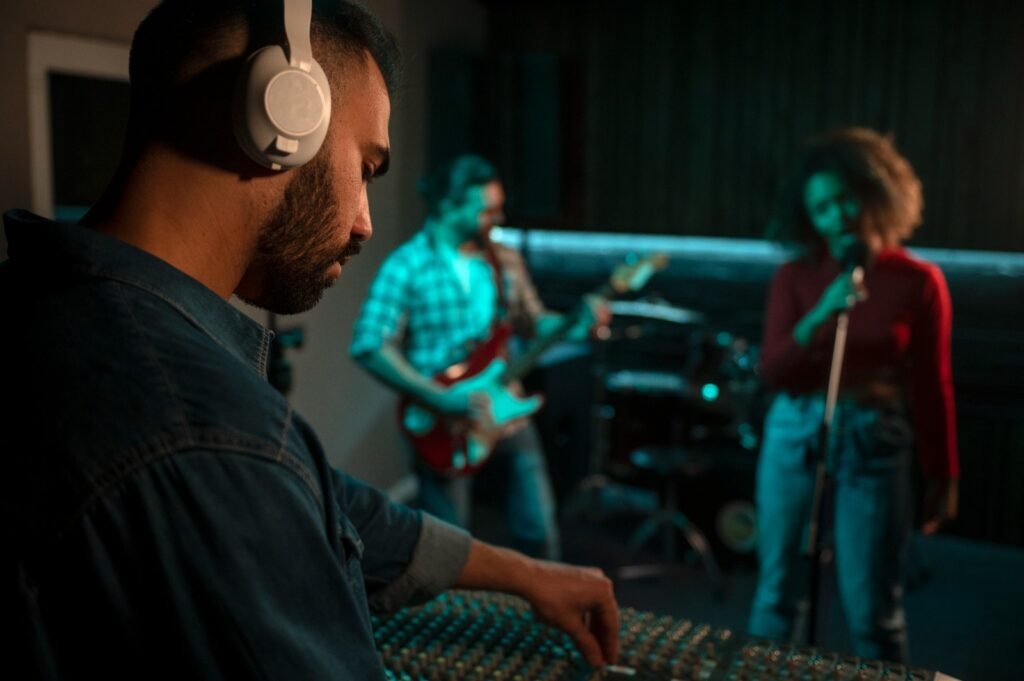
The roles of the labels towards artist development in the year 2025 have not only transformed but also added a layer of complexity in the same direction as the fast-evolving wind of changes that hit the music industry. Though artists can now do their recordings and release their music without any third parties, music labels into another score when it comes to artist development, resources mobilization, and direction towards a career sustainability path. The post delineates different roles that music labels play in the artist development field as it is in 2025, showing how they support the artist in navigating the changes, complexities, and nuances of the modern music scene. 1.Asset Acquisition and Monetary Contribution Money is one of the angles that record labels focus on towards the artist development process. Record labels pay for booking studio time, music videos, advertising campaigns, and tours. Creating such funding sources would generally be out of reach for an independent artist. By paying these expenses, labels allow the artist to work free from the pressure of worrying whether he would have enough money to go into the studio. Strategic in resource allocation, they have now become data analytic in identifying promising talent and marketing trends in the year 2025. So, data now drives the investments directed at projects that always have the highest potential successful outcome. 2. Marketing and Promotion It is possible to say that effective marketing will mean visibility and success for an artist. The music label has both the know-how and the network to implement very extensive plans in marketing. Placement on the hottest playlists, media appearances, and PR through different social media platforms are all part of marketing an artist. In this digital era, labels have shifted their focus towards new promotional strategies such as influencer partnerships and virtual events to reach new audiences. Their pre-established contacts with streaming services and media houses offer access to cases that would be tough to get by oneself. Creative Development and A&R Support Artist and Repertoire (A&R) teams within record labels are responsible for most of the creative development of artists. They help develop an artist’s sound, choosing the appropriate material and helping connect artists with complementary producers and songwriters. In 2025, A&R itself became more interactive, with labels encouraging artists to keep their identities while helping them make it better commercially. The balance is there so that authenticity is kept and realized among audiences. 4. Brand Building and Image Management A solidly developed personal brand is possibly the strongest differentiator of artists today. Every artist requires huge assistance from the music label in developing a complete visual and narrative identity that is targeted to the select audience. This includes guidance in visual aesthetics, public relations strategies, and overall brand position. Labels provide access to professional stylists, photographers, and designers to create all the trappings and visuals for an artist’s public persona. Such a comprehensive approach ensures proper alignment in all aspects of the public presentation of the artist with his musical identity. Touring and Live Performance Support Live performance is still the major income source as well as artist development. Continued integral roles include tour planning, bookings, and logistics organization done by music labels so that the artist may focus on giving one fabulous performance. This is how we got hybridation in 2025: traditional live shows helped with holding virtual concerts to a worldwide audience. But that wasn’t just for maximizing exposure; it served as an extra income course when events had to be limited. Advancing the legal and business affairs There are many legal as well as business issues in the music industry that include contract negotiation, intellectual property rights, and royalty management. Each label has experts to advise artists in these matters, so they can have both their interests protected and given fair remuneration for their work. By handling these very complicated issues, labels make it possible for an artist to keep their focus on the creative aspects, knowing that their business affairs are in the right hands. Embrace technological change Advancement of technology has changed not only the manner of making music but also the way to distribute and consume it. Music labels have also adjusted by laying these technologies in more and more of their development procedures, for example, applying analytical tools to inform choosing decisions, engaging their fans by other means available with social media, and experimenting with innovative media formats like virtual reality experiences. Labels also take advantage of new and upcoming technologies to improve their production and distribution efficiency and thus keep their artists competitive in a technology-driven environment. 8. Psychological Support and Welfare Given the evident tensions exerted by the music industry, numerous labels have started to organize wellness programs dedicated to the mental health and mental well-being of their artists. Such support includes counseling services and wellness resources and prioritizes that they all create an environment focused on the all-important holistic health of the artist. Such an environment allows the artists to find a suitable balance essential for infusing more creative longevity into their careers. Conclusion So far in 2025, music labels continue to be the biggest factor in the development of an artist, providing beyond-the-norm inclusive services. Such services, in addition to providing financial backing, marketing expertise, creative skills development, and assistance in various aspects of an artist’s career, are partnered for the sake of their navigating through the complexities of modern music. At Maa Records, we work hard to nurture talent through individualized development programs tailored to the needs of each artist. This holistic approach guarantees that artists will not only reap rich commercial benefits but also experience personal growth as well as artistic development, creating their careers in music for years to come. The relationship that has shaped the future of music and the effect of that music on culture will be synonymous with change as it continues to evolve. The comprehensive empowerment
Top Benefits of Signing with a Music Label in 2025
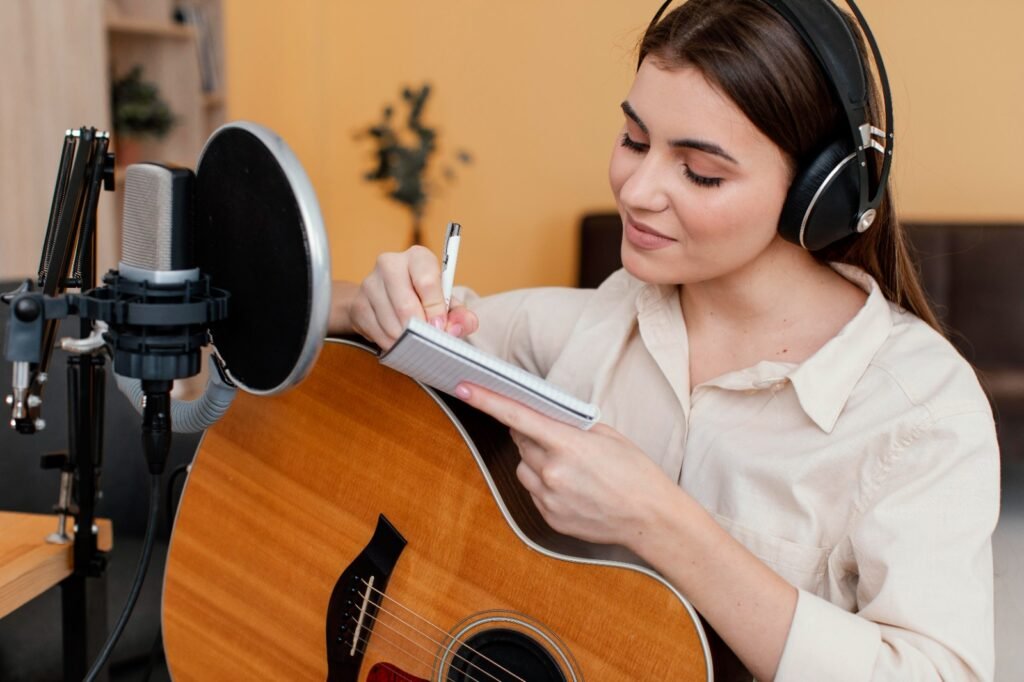
The never-ending excitement in the music industry has given so much room for independent artists to do their thing from every corner. Although most tend to be independent these days, signing on with a music label by 2025 can still offer an array of good things that would help click their career upward levels. Financial assistance or marketing savant or industry connections are some of the few reasons why well-respected labels like Maa Records can provide the much-needed programs and guidance for driving success in the hungry industry. In this blog, we shall elaborate on the top advantages of signing with a music label, and we shall mention how dedicated Maa Records is in the field of fulfilling talented musicians’ dreams. 1. Music Production and Recording at a Professional Level One of the major perks of signing to a music record label is getting to use their professional recording studios and sound engineers. An artist requires high-quality production in order to pass a long-lasting imprint in the industry. At Maa Records, this is what every artist accesses: state-of-the-art recording environment, a team of skillful audio engineers, and top equipment for polished and professional sound in their music. While independent artists face problems of production costs, a label invests the two necessary points into a project-managing and producing the music as required by industry standards. What Maa Records Can Do for You: Advanced sound engineering and mixing services. Professional help from experienced producers. Access to cutting-edge recording technology. 2. Strategic Marketing and Promotion In this digital age, it’s just insufficient to just create good music but to also ensure proper marketing and promotions to ensure success. For instance, music labels have dedicated marketing teams besides talent managers who carry out all the required marketing activity with respect to a particular artist. Maa Records, realizing the essence of ensuring promotions, does not hesitate to work with the artist closely in formulating customized marketing approaches like: Social media promotions Playlisting on streaming platforms like Spotify, Apple Music, and YouTube Music Press release and media coverage Music video production and distribution These are just a few examples of taking care of issues that may overwhelm independent artists if held in isolation. But with a label, one is exposed to expert advice and eventual execution to build one’s brand. Financial Support and Investment All these deal with significant investments in money-making music, shooting videos, going on tour, and producing marketing. Budget becomes an issue that independent artists always find as a hurdle to their competition with established musicians. Signing with an established label now can mean access to money for studio sessions and productions, videography and its promotional content, live performances and tours, merchandise, and branding. Maa Records is a financial partner azure program for budding talented artists, ensuring all-round provision for them in terms of not worrying in the other areas while focusing on music. 4. Industry Connections and Networking Music labels practically house networks within the trade with: Producers and songwriters DJs and radio stations Music journalists and blogger Event organizers and concert promoters With all these connections, it is beneficial for artists-in-the-making to gain exposures and possibly knock some doors usually hard to break into. Labels may set up an artist with the stars, get songs grabbing airwaves on radio or television stations, and even book performers in popular music festivals and concerts. At Maa Records, artists are fortunate because they have an industry connection well-renowned to help fast-track their talent development. Artist Development and Mentorship There is so much more to being an artist than just music making. Vocal training, stage presence, songwriting, and building one’s brand are all essential for the longer term. Such investments by record labels in artist development include: Vocal coaching and performance training. Songwriting assistance feedback. Brand image and brand-building strategies. Maa Records has a big commitment to the development of emerging and seasoned artist talent by offering valuable suggestions on how they can develop their musical skills and broad up as performers. 6. Legal and Contractual Support Most independent artists face serious problems with legal contracts, licensing, and copyrighting. A music label has a legal team that handles such things to guarantee that artists are protected and compensated for the work they do. To help artists navigate the complex legal matters that come with working in the music industry, what kind of legal service will Maa Records offer? Protection with copyright Royalties and licensing deals Contract negotiations With a label’s support, artists can create music while others take care of the legal and business sides. Music Distribution and Streaming Platforms It doesn’t matter if it is good – if not, it just cannot go out to Spotify, Apple Music, Amazon Music, YouTube Music. Independent artists can go for those digital distribution methods; however, hren has a direct relationship with the distribution houses. It also features music in: Top playlists and curated collections Radio and podcast placements Music licensing for TV, films, and advertisements Most of all, Maa Records is working hand-in-hand with streaming services to ensure that its artists gain from exposure and revenue from every single release. 8. Merchandising and Branding This really makes it so much easier for an artist to stand out and gain a wider fan base. Merchandising is one key area where an artist makes money, and music labels develop tailor-made merchandise that includes. T-shirts, hoods, caps Et cetera. Posters and signed albums Custom accessories and collectibles Maa Records would help the artist design and sell high-quality merchandise, thus giving him or her that extra identity that fans so freely entrench themselves with. Tours and Live Performance Supports Performing live is no doubt one of the strongest methods to reaching out and gaining an audience. However, organizing a tour takes: Booking venues Travel and accommodation arrangements Event Promotions The management of logistics Music labels take care of all these aspects and let the artist concentrate on their performances away from the business side. At Maa Records, artists can avail
How to Get Signed by a Music Label: A Step-by-Step Guide

Getting signed by a music label is one dream that keeps most aspiring artists awake at night. Unfortunately, the journey is rather overwhelming as it concerns breaking through into the music industry. Any record deal gets one an avenue for resources, exposure, and funds, and the competition is fierce. How may one shine through to catch the attention of a label? This step-by-step guide will show you how to prepare, build a brand, and boost chances of getting a deal. Talent raw and unrehearsed, this is what one expects at Maa Records, where bringing independent artists on a stage is an idea like no other. Whether full-scale record deals or only a bit of advice on your music career-the guide will provide clear mapping through the road to success. Step 1: Perfect Your Craft Music is a must-have below the professional level before any label considers a signing. They look for artists who can keep their promise and have original ideas consistent with the music. Here’s how you can improve: Train Your Voice and Stage Play Make it really serious with the voice training. Set exercises for the voice, both for improving range and for strengthening tones and stamina. Refine the technique with the help of a vocal coach. Regular performance in small venues or through online platforms. Master an Instrument For example, if you sing, learning to play the guitar or piano would definitely give you an advantage. It helps right through songwriting, performing live, and in production work. Develop Your Songwriting Skills Write original songs that demonstrate the style you’re going to employ. Look at some of the successful songs and how they have been structured and melodized. Try out a bunch of different genres to find which works best for you and develop that into your own sound. At Maa Records, artists receive all the required type of guidance needed to polish musical skills that would help them conquer in the industry. Step 2: Building A Strong Brand and Image Most music labels will not only sign a talented musician but one whom they believe can sell in the market as well. It is also the core part that forms the basis of one’s recognization and appreciation. Find Your Niche What would set you apart? Find that unique sound and image that will make you different from others. Become a memorable stage name if required. Create Quality Content Invest in professional photoshoots that produce quality images for promotional purposes. Make an interesting music and lyric video. Engage in professional and personal posts constantly to connect with fans. Have an Active Social Media Presence Update Instagram, TikTok, Youtube, and even Facebook to showcase updates, behind-the-scene shoots, and performances. Communicate with your audience via comments and messages. Catch the trends and challenges to attract more people. At Maa Records, we help the artist shape the brand, create jaw-dropping visuals, and maximize their social reach. Step 3: Record Professional Music A label will never sign an artist who submits rough demos or amateur recordings. Your music must be professionally recorded before it can even be listened to. Studio Quality Recording: Work with a professional producer and sound engineer to create polished tracks. Take time to make sure that every recording is mixed and mastered properly. Experiment With Different Sounds: to experiment different production styles to find your “signature” sound. Different producers are to be sought out for collaboration with you. Other collabs in connection with other music artists: You can possibly get features from other musicians or singers in your tracks. Collaborations will expand reach and show versatility. At Maa Records, we offer state of the art recording studios and professional audio engineers altogether ensuring that artists get the top quality sound production. Step 4: Expand Your Fanbase and Industry Connections Labels want artists who already have a way to get fans. The more fans you get, the better you are to a label. Perform Live and Build A Local Following Play local events, bars, and open mics. Attend music festivals and competitions. Cultivate relationships with venues and plans. Communicate Through Social Media Post fresh and up-to-date material that engages your followers. Organize live Q&As, provide some behind-the-scenes view with some acoustic sessions. Connect with Industry Contact People Link up with producers, DJs, managers, and other influencers. Attend music industry events, workshops, and networking events. The other artists you are connected to are going to be maybe great collaborators on certain projects. Maa Records provides opportunities to independent artists in terms of networking with industry professionals for them to help expand their network and increase their fan base. Step 5: Getting Noticed by a Music Label Time to pitch that music label; after you’ve built a brand, craft music of the finest quality, and earn good followers. Seek Out and Research the Right Label Not every label is created equal. Research an idealist label that recognizes and appreciates your arts. Independent labels like Maa Records do not only establish artistry with a good deal of nurturing talent but also give personal attention. Build an Impressive Press Kit A press kit would include: A well-written biography highlighting your music experience. High-quality photos and professional music videos. Links to your best songs or EPs. Your social media and streaming stats. Notable press coverage or achievements. Get the Contact of Labels Right. Get their submission guidelines and follow them with utmost precision. Draft a formal introductory email and present those features that make you an ideal match. Attach your press kit or link to an EPK (Electronic Press Kit). Have Them Come To You They will probably submit their requests to you if you have an enviable online presence with a hardcore fan following. Thus, keep on creating terrific music and positive growth of your audience. Active, passionate and skilled independent artists are those who scour out at Maa Records. Step 6: Grasp the Deal Before Signing If a label intends to sign you, understand the contract before you agree. Types of
8 More Ways to Ruin Your Singing Voice & Career
8 More Ways to Ruin Your Singing Voice & Career For a singer, the voice is the prime asset. It is the instrument through which art is expressed and communicated with the audience. Many singers are engaged unconsciously in practices that can harm their voices and even end careers. In the following blog, we shall review 8 common mistakes that can jeopardize someone’s vocal health and career. If you recognize these pitfalls and do your best to avoid them, you will keep your singing voice healthy and sustainable throughout your career. Failing to Warm-Up One of the main mistakes singers make is to skip vocal warm-ups. Just as in athletics where one warms up the muscles before exercising, so must a singer warm up the vocal cords before operating them for the physical act of singing. The improper way of singing can lead to straining, injury, or even permanent problems. Proper warm-ups get blood flowing to the vocal cords, help flexibility, and reduce fatigue. Begin with some light humming or lip trills, going on to some more strenuous exercises like scales and sirens. Avoid This Mistake: Never sing “on a whim” without warming up. Always take at least 10-15 minutes to warm up. Over-Singing or Pushing Your Voice Many singers-in particular, tillers who are new to singing or inexperienced-think that “to be a good singer” means to sing as loudly or powerfully as possible. This has come to be known as “over-singing.” Over-straining their voice with unhealthy efforts strains all muscles involved in voice production and enervates a singer’s instrument, vocal cords, leaving them hoarse, tired, and completely damaged in the long run. While it is good to sing with emotion and power, doing so destructively can lead to vocal nodules, hoarseness, or even paralysis of the vocal cords. How to Avoid It: Always listen to your body and mind when it comes to vocal fatigue. If you are singing and feel discomfort or strain, stop and rest. Learn the importance of control in singing, so as not to overexert yourself. 3. Neglecting Vocal Rest Like any other muscle in your body, your vocal cords too need rest for recovery after extensive use. Prolonged singing, speaking forcefully, or putting pressure on the voice without allowing it enough time to recover can lead to vocal strain, which then can cause permanent damage. When you love your craft, you will toast over rehearsals or performances, but vocal rest should be the second half of this equation. Avoid This Mistake: Rest your voice. Give it time to recover between rehearsals, performances, or recording sessions. Daily use of the entrust of vocal rest is just as critical as vocal maintenance. Ignoring Proper Hydration Proper hydration is by far the most underrated aspect that bard can adopt to sustain their bodies and voices. Vocal cords, indeed, require moisture to function properly. Insufficient hydration may cause dry vocal cords, leading to irritation, and in turn, frustration in the singing due to strain. Not hydrating affects the singers with dryness in the throat, hoarseness, or even vocal fatigue, greatly affecting the outcome of their performance. Avoid This Mistake: Drink lots of water the whole day, especially before and after singing. Try to drink at least 8 cups of water in a day, and keep away from too much caffeine or alcohol, which can dehydrate your vocal cords. Overuse of the Vocal Fry or Growling Vocal fry and growling are techniques some singers choose to incorporate into their performances as embellishments or to obtain an edgier sound. Too much use or even misapplication of these techniques can lead to damage of the vocal cords. The growling or vocal fry is quite rough on the ears, putting an extra toll on the voice that could lead to hoarseness or, in worse cases, even injury of the vocal cords. While the artistic application of these means can at times liberate the singer in certain genres (e.g., metal or rock), they must be handled with care and moderation. How to Avoid This: Use vocal fry and growling only in moderation and demand good technique. Consult with a voice teacher or coach that can help assess whether you are using these techniques without damaging your voice. Not Keeping Proper Posture How well you sing is affected by the posture you maintain. Bad posture leads to shallow breathing, which deteriorates breath control and vocal production. Slouching or angling one’s head while singing could easily hinder optimal vocal cord function, resulting in strain or compromised range. Good posture allows free airflow and lung expansion and resonance that would promote a healthy voice. How to Avoid It: Stand or sit with the back straight; shoulder relaxed; neck aligned directly over the spine. Keep your head upright, not tilting forward or backward, to avoid putting tension on your vocal cords. 7. Cigarettes and Alcohol Abuse Smoking and an unhealthy dose of alcohol can do nightmares to a singer’s voice. Smoking dries dehydrating the vocal cords, causing inflammation and a build-up of mucus, which can hamper singing. On the other hand, alcohol acts like a dehydrant, leading to tired and tense muscles of the voice. Over time, both smoking and drinking will damage the vocal cords, making singing less clear, powerful, or even rangeful. Do Not Commit This Mistake: Unless you wish to throw away a good voice in favor of a deep grave, excel in singing for another decade and go on with life-smoke! Even better-become sober, for a smoking singer finds happiness in the voice of sorrow. Choose to be healthier in your lifestyle for the benefit of vocal health. The Failure to Seek Professional Vocal Coaching Many aspiring singers try to train themselves using online resources or mimic other singers. This often leads to poor technique and bad habits. Lack of professional guidance may prevent appropriate singing development, creating more stress on the voice. A professional vocal coach can teach you how to use your voice efficiently, correct bad habits, and guide you
Tips for Recording Vocals Like a Pro in Any Studio
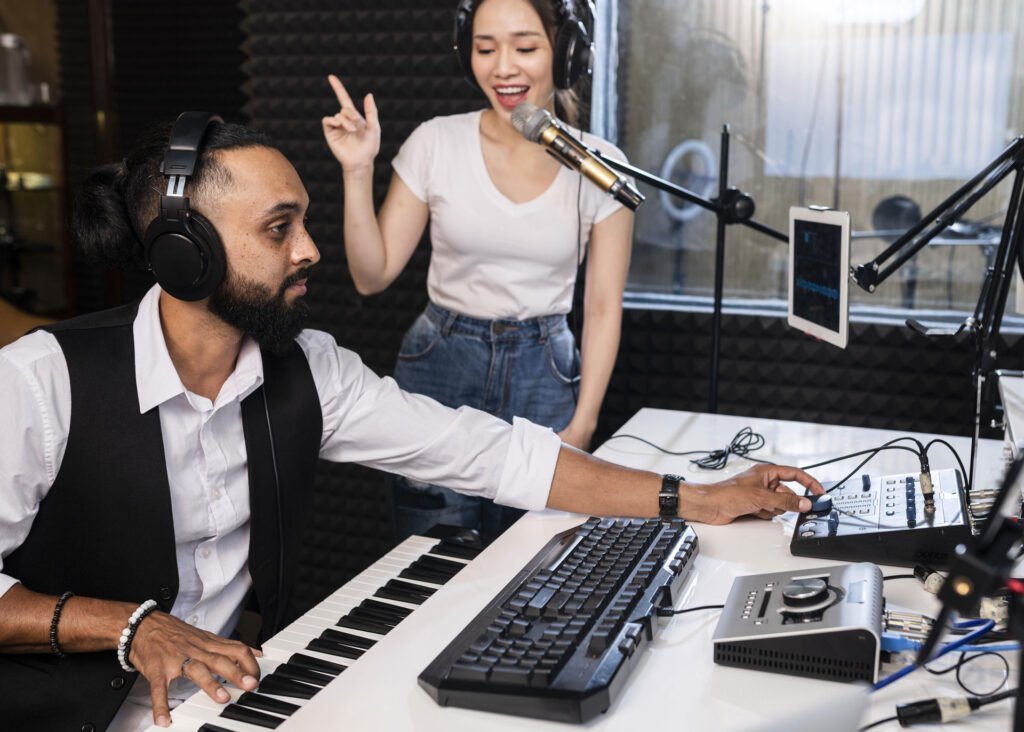
Tips for Recording Vocals Like a Pro in Any Studio A good recording of vocals is the making of music, but more than just a good voice goes into making a professional sound. Be it a fancy studio or simple home set-up, the right tricks applied will make a great difference in the end. This guide will present some good tips to help you get clear, strong, and professional vocals irrespective of where you do your recording. Warm Your Voice Preparing your voice before you stand in front of the microphone is paramount; so, when it comes to doing it, proper preparations should be made. Vital steps include: a) Warm-Ups Just like any athlete warms up before a game, a singer must warm up the vocal cords before any recording. Some possible warm-up exercises are: Lip trills and humming to relax the throat Gentle scales to start expanding one’s range Breathing exercises to improve control and stamina b) Hydrate Drinking water keeps the vocal cords hydrated, so there is no strain and cracking. One should avoid caffeine and dairy before a recording, as they contribute to mucus build-up. c) Rest Your Voice Do not shout, talk too much, or sing loudly for a few days before the session. Rest your voice so that it is in the best condition for recording. 2. Choose an Appropriate Studio Environment The location of recording counts significantly towards how the not-so-good singer would sound while singing. A poor acoustic space can provide struggles even for a good singer. a) Soundproofing and Acoustics Maa Records will guarantee soundproofing in the true sense of the word and an acoustic treatment that minimizes unwanted echoes and background noise. If you are recording at home, you can use: Acoustic foam panels Heavy drapes or blankets to reduce reflections A portable vocal booth or isolation shield for clean recordings b) Keep Background Noises to a Minimum Microphones are capable of picking up any sound. Maintain silence as you work. Flush any sounds made by fans, ACs, or any other distracting appliances prior to recording. Choose the Right Microphone and Equipment The microphone and equipment used can either make or break your vocal recordings. a) Selecting a Microphone Microphones have a varied way of capturing vocals. Two most common types are: Condenser microphones—Best suited for studio recordings owing to their sensitivity and clarity. Examples: Neumann U87, AKG C414, Rode NT1-A. Dynamic microphones—Best for gigs or louder vocals. Examples: Shure SM7B, Electro-Voice RE20. b) Use a Pop Filter A pop filter is used in preventing the intense plosive sounds of “p” and “b” from interfering with the recording. It will also keep saliva off of your microphone. c) Mic Positioning The microphone position will affect how clear and tonally pleasing your vocals sound. Keep these things in mind for best results: Stay 6-12 inches from your mouth. Keep the mic angled slightly off-centre to avoid accentuating any harsh frequencies. Distance adjustment to control dynamics-warmth when close, and airy when farther away. 4. Perfect Your Vocal Performance To have phenomenal vocal recordings, it is a combination of technical setup and performance. a) Activate Emotion with the Song One reason the artists from Maa Records flourish is that they bring emotion into their vocals. Your vocal performance should reflect the song’s mood, whether that is sad, joyful, or uplifted. b) Control Breathing It is essentially important to gain breath control during recording for a sweet, smooth touch-professional kind of sound. Here are a few suggestions: Take controlled, deep breaths before long notes. Try proper phrasing to not break awkwardly for breath. Slightly compress your breath levels. Record Multiple Takes Even the best artists will mull through the songs before they actually think they have performed the best; they seldom just take one. Do 3-5 takes, then piece together the best bits in the edit. Adjust Your Recording Settings The particulars of your DAW are paramount when it comes to the sound of your vocals. a) Sample Rate and Bit Depth Assuming you want to record top quality, set your DAW to: Sample Rate: 44.1/48 kHz Bit Depth: 24-Bit; it is the best for high-quality audio. b) Gain Staging Set your input gain correctly, and do not allow distortion or low output situations. –18dB to –12dB is a good level to leave headroom for mixing. c) Record Dry Record without tooo much effect (heavy reverb or delays); it’s best to put any effects on during the mixing stage; it’s harder to fix if anything is too processed at the recording stage. Once you finish a lovely vocal take that you are happy with, the next step is editing and mixing. a) One would want to clean up his track. That would imply taking out any distractions such as: Clicking sounds from the mouth The sound is more like background noise. Noise from breaths: the unwanted, unnecessary ones. b) Compression for Balanced Volume The voice compressor should be treated as any other tool to control a voice’s dynamics; softs get louder while loud get soft. Begin with the following settings: Ratio 3:1-4:1 Attack: 10-20ms Release: 40-60ms c) Use EQ For A Cleaner Sound Another beautiful thing that EQ does is set the vocals in the mix. What could do one quite basic is, i.e., Cut Off Any Low Frequencies (Below 80Hz): Only Trap Rumbles Boost 2kHz-5kH for clarity Brightening up with 10kHz-15kHz high-end sparkle for a clear sound d) Add Effects Use reverb and delay to an extent to give depth. Be cautious not to overdo it, or vocals will sound washed out. Work with a Professional Studio like Maa Records Working with a professional recording studio like Maa Records will totally change the game if you are after the best possible quality vocally. Here’s why: a) Class-A Equipment and Acoustics Maa Records has top-of-the-line microphones and preamps and a soundproof studio for unparalleled recording quality. b)
Secrets to Growing Your Music Fanbase

Secrets to Growing Your Music Fanbase An indispensable aspect of a musician’s vocation is building a fanbase. Be it an independent artist or the artist who is signed to a label, a loyal fan following can either make or break careers. An ardent fan base means more streams, ticket sales to concerts, merchandise sales, and, last but not least, a collective community of people who are genuinely connected to your music. So how does one effectively create a wider music fanbase? These are some applicable secrets to know for you to widen your reach and leave a lasting impression. 1 Defining Your Unique Brand Before you can get on with building your fanbase, you need to figure out who you are as an artist. Your brand is your identity; it differentiates you from other musicians. Find Your Style: What genre do you belong to? What kind of image do you want to convey? Your style and sound should suit you and connect with your audience. Craft a Story: People connect with stories. Talk about your journey, your struggles, and the source of your musical inspiration. Let the audience see the real you. Visual Branding: A unified composition of visual identity, inclusive of logos, album cover art, and social media graphics increases professionalism and brand recognition. 2. Make the Most of Social Media Social media is a great way to start building a fanbase, and with platforms like Instagram, TikTok, YouTube, and Twitter, you can connect with your fans while showcasing your music and organically building your audience. Being Consistent: The best way to keep the audience engaged is to keep posting regularly. Share a variety of content, from live performances to behind-the-scenes clips to personal updates. Engagement: Reply to comments, return DMs, and engage with the content of fans. Recognition of the audience builds loyalty. Create That Viral Content: Short snippets of your music or relatable and funny content are perfect to share on TikTok and Instagram Reels. One short video could go viral and bring thousands of listeners to your music. Collaborate with Other Artists Collaborating is one of the fastest ways to get yourself out there. Working with another artist immediately gives you audience exposure, and vice versa. For example, Artists feature on tracks: Drafting tracks with artists from similar genres or even with artists from others genres just to experiment with sound. Co-host events: Joint live streams, concerts, and giveaways are a favorite with the fans. Going out and networking: Open mics, jam sessions, and festivals will give you plenty of opportunity to mix with other artists and potential fans. Engage Your Local Community Sometimes, the expansion of the fan base begins right from home. Local fans turn into the most loyal of supporters. Perform Locally: Play small local gigs, coffee shops, and community events. Just a handful of people could spark a movement by word of mouth. Collaborate Locally: Work hand in hand with local businesses on sponsorships or cross-promotions. Play music in a coffee shop for shout-outs. Utilize Local Media: Radio stations, blogs, and newspapers would be approached to showcase your music. 5. Publish Quality Content Your music varies, and in order for it to shine, it has to be top-notch. Production: Get experienced producers, sound engineers, and recording studios to help you in your quest for quality music slots of a professional level. Consistency: Release singles, EPs, or albums on a constant basis so your audience can stay engaged; discontinuities can easily bore your own fans. Establish Visuals: A good song gets even better when paired with a highly entertaining music video or lyrical video. Such video content really widens its reach across platforms like YouTube. 6. Establish a Strong Online Presence In the digital environment, an online presence is necessary. Designing a Website: Your website is your digital center, where your followers can look for your music, tour dates, merchandise, and so forth. Email Marketing: Create an email list, as this is a good way to inform dedicated fans about updates, early sale tickets, and unreleased tracks. Streaming Platforms: Optimize your profile on Spotify, Apple Music, etc. Use playlists and release tricks to your advantage in order to remain visible. 7) Engage Fans with Live Performance It really gets special when we do live performances that help create a deeper bond between you and the audience. Live performance is an important engagement: The live performances can have the atmosphere of small bars in a back street or rooms in large festivals, but they deepen the bond you have with your fans. Host virtual shows: This is where YouTube Live, Instagram Live, or Twitch can be used to perform for fans who cannot attend in person. Create unforgettable memories: Give a live experience that the fans will talk about, whether it is an intimate acoustic set or an interactive question-and-answer session. 8. Use Analytics To Understand Your Fans Better understanding your audience will let you grow your fanbase. Social Media Insights: Instagram and Facebook give a good deal of data as insight into your followers, including their age, location, and interest. Streaming Data: Spotify for Artists and Apple Music for Artists allow you to analyze which songs are favored and in which area your listeners are located. Feedback: Ask your fans what they think about your music and event. This ensures they know you are willing to listen to criticism, which can help you better your craft. Engaging Your Fans With Merchandise Merchandising also provides another stream of income; but more importantly, it helps build the brand. Offer Unique Pieces: From T-shirts to signed CDs, create merchandise that reflects your style and music. Bundle: Bundle merchandise in digital download or concert ticket promotions. Promote Exclusivity: Limited-edition merch creates urgency, creating more demand. 10. Be Authentic What fans want most is authenticity. Be Yourself: Never try to be like other artists or follow trends that do not fit your identity. Show Your Vulnerability: Speak of your trials, victories, and things that matter to you.
How to Promote Your Music on Social Media for Maximum Reach
How to Promote Your Music on Social Media for Maximum Reach For anyone aspiring for productivity in the digital context of today’s universe, social media has become kind of a need to people who formulate music. From starting an artist whose career is in the backwoods and beyond his prime, to one who has probably been famous for showing off his art, promoting his music would offer a spirited interest in social media. With millions of users spread across various social media platforms, social media presents a wonderful opportunity for a musician to get before a new audience, engage with her fan base, and create an effective brand. So how do you use social media to have the same impact? How? Select the Appropriate Media Platform for Your Music Not all social platforms are created equal, and some will stand to benefit you more as far as music promotion goes. It’s your step 1 to find out which platforms your target audience is the most exposed to. Have a refined summary overview of some of music’s largest platforms: Instagram: Instagram’s environment is motivational through visual allure, so you can share a great deal of behind-the-scenes content, engaging small clips, and embroidered fans on Instagram Stories. Reels is of particular interest to short music video editing, along with numerous real-time concerts or fan connectivity sessions by Instagram Live. TikTok: TikTok has developed into the ultimate music-discovery destination, with viral dances, challenges, and memes revolving around catchy songs. Its algorithm additionally complements content distribution by tracking user interest, an ideal feature for musicians wanting rapid exposure. Facebook: While the younger demographic of Facebook has surprisingly collapsed over the past few years, this platform still remains the key for event promotion, release of long-form content, and community building. Furthermore, getting one’s hands on some targeted promotions will reach specific demographics easily. YouTube: YouTube is the music videos’ go-to platform; hence, musicians are meant to have a strong presence there. Not only can you post your official music videos, but you can also create lyric videos, vlogs, tutorials, or even livestream concerts. Twitter: Twitter is perfect for quick updates, thoughts, and open talks with fans. Many musicians use it to announce new releases, share news, and interact with fans in a more casual vogue. Go for the platforms that fit best with your type of music and which are most active with your fans. After pinning down these platforms, make sure that you continue a consistent presence within them. Carry across a Consistent Brand Identity Your social media presence counts as an extension of your music and personality. To make anything stick, cross through a consistent brand identity across all platforms. It involves using more or less the same color, logo, or look on any posts. This visual branding comes in handy in allowing you to stand out against the rest. The very start involves getting a logo and unique coloring. Keep a bright consistency in your bio and profile pictures on all platforms, so your fans can just point them out as you. Following the imagery development, there should be the development of a voice for your posts. This will make your content unmistakably you, making your audience feel like they are really getting to know your true self as an artist. Engage with Your Audience Building a fan base on social media is not just about posting songs. It’s about creating a relationship with your followers. Engaging your followers means answering their comments, liking their posts, and linking up in direct messages. Listening to questions or comments regarding their latest music and responding creates room for them to feel welcome and appreciated. Also, enquire about their opinions on the new songs, arty concepts, and album artworks. This not only helps in building a connection but also fosters a sense of communal identity. Having polls, quizzes, and question stickers, such as the ones of Instagram and Twitter, provides good direct engagement. Create more opportunity for the audience to engage with your content, and they shall maintain a sense of loyalty in so doing. Post High-Quality Content Consistently Bring a new significance to social media music promotion: consistency. Be routine in scheduling posts; do not post too much so as to overwhelm and annoy the followers. However, since variety is accomplished by following a content calendar with assorted music-related ideas, personal insights, updates, and fascinating behind-the-scenes content, they will learn to preempt what to expect from you on some days. Some poorly conscious of the contents would include- Musical Clips: Share short versions of new releases or teasers to build anticipation. Music Videos: Official music videos, lyric videos, or acoustic versions would all cushion your music content. Behind-the-scenes Love: Fans generally like know-how of what goes towards creation; share such clips as recording in the studio, concert regviewing and rehearsing videos. Concerts: Unless you’re hosting a performance, stream live shows on all possible platforms, like Instagram Live, Facebook Live, and Youtube. Fan-Created Content: Share fan covers or fan art. This sense of community shows how much you care. Personal Stories: Share your stories of beginnings, reasons for your profession as an artist, the hardships faced, and the ultimate success. The genuineness of such stories is most appealing to your fans. For example, an image is better than a thousand words. Therefore, social media marketing requires the use of original images, exclusive videos, or high-quality audio. In the same way, social media is all about visuals; people will only engage with content that catches their eyes. So, invest in professional photo shoots, edit your videos well, and give credit to your music by high-quality sound. Use Trending Hashtags Hashtags are a great way to increase the visibility of your content on social media. Create stories that include hashtags focused on a topic in your niche/industry for those users who would not normally come across you. A full biography coupled with photos and hashtags of a relevant trending event is the best way